Siding replacement costs $7,000 to $20,000 for most homes in 2026
That is about $3 to $15 per square foot installed, depending on the material. Vinyl, the most popular siding, runs $3 to $12. Fiber cement runs $5 to $14. Brick and stone run far higher, $8 to $45 per square foot.
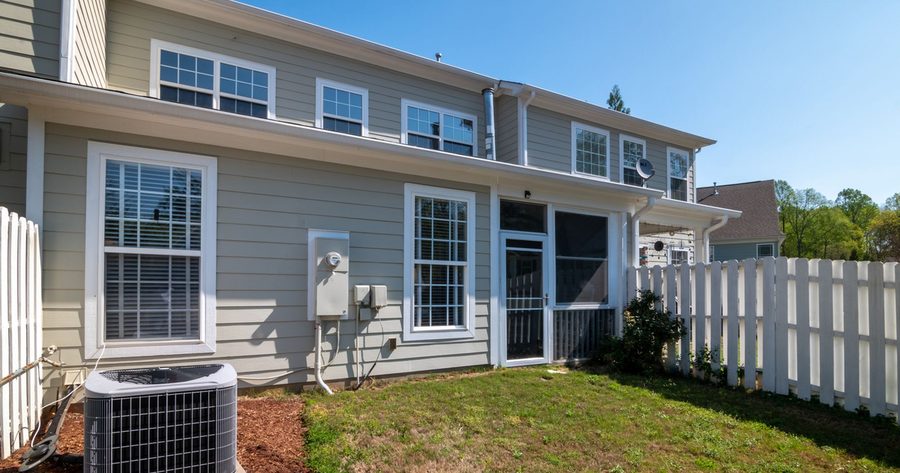
Cost by material, installed
| Vinyl | $3 to $12 per square foot. One 2026 contractor guide puts most vinyl at $4 to $8. |
|---|---|
| Engineered wood | $2 to $10 per square foot. |
| Wood | $2 to $15 per square foot. |
| Aluminum | $3 to $10 per square foot. |
| Steel | $4 to $16 per square foot. |
| Fiber cement | $5 to $14 per square foot. A whole house runs about $6,000 to $35,000. |
| Stucco | $7 to $17 per square foot. |
| Brick or stone | $8 to $21 for brick and $20 to $45 for stone. Veneers cost less. |
What pushes a quote up
| Wall area | Contractors price the siding area, not the floor area of the house. |
|---|---|
| Material | The single biggest choice. Vinyl and fiber cement cover most homes. |
| Tear off | Removing old siding and fixing rotted sheathing adds labor. |
| Stories | Two story homes need staging or lifts. |
| Trim and detail | Corners, windows and gables all need trim. |
Siding replacement cost by region
| Lower cost states | $5,600 to $16,000. Alabama, Arkansas, Indiana, Iowa, Kansas, Kentucky, Mississippi, Missouri, Oklahoma, Tennessee, West Virginia and most rural areas. |
|---|---|
| Average cost states | $7,000 to $20,000. Arizona, Florida, Georgia, Michigan, North Carolina, Ohio, Pennsylvania, Texas, Virginia and most mid size cities. |
| Higher cost states | $9,100 to $26,000. California, Connecticut, Hawaii, Massachusetts, New Jersey, New York, Washington, plus big metros such as Chicago, Denver and Washington DC. |
These rows are our estimate. We took the typical national range and adjusted it for local labor costs, which run about 20 percent lower in the cheapest states and about 30 percent higher in the dearest ones. Fiber cement is common in hot, wet and wildfire prone areas. Vinyl dominates the Midwest and Northeast.
Vinyl or fiber cement: the choice that decides the bill
Most homes choose one of two. Vinyl is the cheapest to buy and install, needs no paint, and comes in many colors. It can crack in hard cold and fade over decades. Fiber cement, often sold under the Hardie name, costs more to buy and more to install because it is heavy and has to be cut with special tools. Fixr says it lasts 50 years or more and handles impact, rain and snow well.
On a typical house, the gap between the two is several thousand dollars. The long term gap is paint: primed fiber cement needs painting, while pre finished boards and vinyl do not. Ask for a quote on both, with the same trim package, and compare them side by side.
Repair or replace
If only one wall has storm damage, a repair can be far cheaper than new siding. The catch is matching. Old vinyl fades, and a new panel may not match. Ask the contractor to show you the match before you decide.
Why this costs more in 2026
Vinyl siding is PVC, made from oil and gas, and all siding is heavy and bulky to ship. Fixr notes material prices move with demand, tariffs and regional supply.
The short version is oil. Diesel passed $6 a gallon on the AAA national average for the first time on September 11, 2026. A year earlier it was about $3.70 (CBS 8 reporting AAA). That lands in trip charges, deliveries and anything made from petroleum. In March 2026, construction input prices were up 4.8 percent on the year, the biggest annual gain since January 2023, according to Associated Builders and Contractors, and the Associated General Contractors measured a 37.8 percent one month jump in diesel, the largest since 1990 (Roofing Contractor, April 2026). Quotes are being held open for shorter periods this year, so ask for the expiry date in writing.
How to judge the quote in your hand
- Get the square footage of siding. And the price per square foot.
- Check tear off and sheathing repair. Ask for the rate per sheet if rot is found.
- Ask about house wrap. The layer under the siding matters as much as the siding.
- Check trim and soffit. Is it in the price or extra.
- Compare two materials. With the same trim, so the gap is real.
Ways to pay less
- Pick vinyl for back and side walls. Use a premium material only on the front, if at all.
- Book in the off season. Exterior crews are busiest in spring and summer.
- Repair one wall if only one wall is damaged and the match is close.
- Check your insurance if a storm did the damage.
What will this cost me?
Pick the job, your state's cost level and the last detail. The estimate updates as you change them.
An estimate built from published 2026 cost guides. It is not a quote. Get a written quote before work starts.
The one business per trade, per town that AI recommends.
When your customers ask an AI which company to call, we get you named, not your competitor. We work and monitor every major engine, ChatGPT, Google's AI Overviews, Gemini, Perplexity, Copilot, Claude, and Grok, so you show up wherever they ask. Fully done-for-you: setup, ongoing optimization, competitor tracking, a live dashboard, and monthly reporting. Backed by our 90-day money-back guarantee.
Book a free 15 minute callNo pitch deck. We run your audit live on the call.Common questions
How much does it cost to replace siding?
$3 to $15 per square foot installed in 2026. Most single story homes pay $7,000 to $20,000.
How much does vinyl siding cost?
$3 to $12 per square foot installed, with most jobs near $4 to $8.
How much does fiber cement siding cost?
$5 to $14 per square foot, or about $6,000 to $35,000 for a whole house.
What is the cheapest siding?
Vinyl or engineered wood, from about $2 to $3 per square foot.
How long does fiber cement siding last?
50 years or more with care, according to Fixr.