A dental crown costs $1,015 to $2,670 per tooth in 2026
Pearl's May 2026 figures, built on ADA fee survey data, put a porcelain crown at $1,015 to $2,670 per tooth, about $1,560 on average. Most PPO plans pay about 50 percent after the deductible. A build up or root canal under the crown is billed on top.
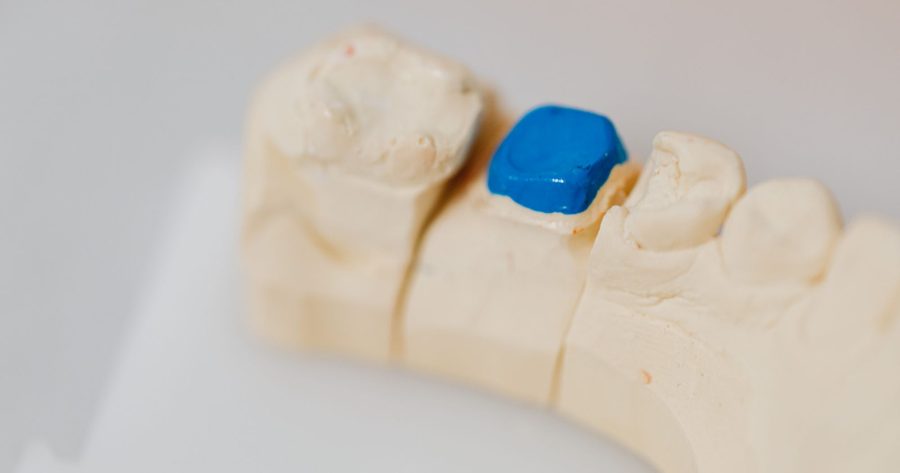
What a crown costs
| Porcelain crown | $1,015 to $2,670, about $1,560 (Pearl, May 2026). |
|---|---|
| With a typical PPO plan | Often about half, up to the yearly maximum. |
| Build up (post and core) | Billed separately when needed. |
| Root canal first | See our root canal page. |
| Lifespan | Typically 10 to 15 years. |
What pushes a quote up
| Material | Zirconia, all ceramic, metal fused porcelain and gold all price differently. |
|---|---|
| Tooth | Front teeth need more cosmetic precision. |
| Lab | High end labs charge more than in house milling. |
| Build up | A heavily filled tooth may need one first. |
| Same day or lab | Same day crowns can price higher or lower. |
Dental crown cost by region
| Lower cost states | $800 to $2,100. Alabama, Arkansas, Indiana, Iowa, Kansas, Kentucky, Mississippi, Missouri, Oklahoma, Tennessee, West Virginia and most rural areas. |
|---|---|
| Average cost states | $1,015 to $2,670. Arizona, Florida, Georgia, Michigan, North Carolina, Ohio, Pennsylvania, Texas, Virginia and most mid size cities. |
| Higher cost states | $1,325 to $3,500. California, Connecticut, Hawaii, Massachusetts, New Jersey, New York, Washington, plus big metros such as Chicago, Denver and Washington DC. |
These rows are our estimate. We took the typical national range and adjusted it for local labor costs, which run about 20 percent lower in the cheapest states and about 30 percent higher in the dearest ones. Suburban and community offices often charge 15 to 30 percent less than dense metro practices.
What the crown quote should include
A crown is a tooth shaped cap that covers a cracked, broken or heavily filled tooth, or a tooth after a root canal. Pearl notes most crowns take two visits, with a temporary crown in between, though some offices mill a same day crown in the chair.
A full quote usually covers numbing, shaping the tooth, the scan or impression, the temporary, the lab fee and the final fitting. The build up, a root canal, sedation and crown lengthening are often billed on top, so ask before you agree.
Crown or something smaller
If the damage is moderate, an inlay or onlay saves more of the tooth. After a root canal on a molar, a crown is almost always advised because the tooth breaks easily without one.
How to judge the quote in your hand
- Ask which material and why.
- Ask if a build up is needed and its fee.
- Ask lab or same day.
- Ask about the warranty if it fails.
- Get pre-authorization from your insurer.
Ways to pay less
- Use your PPO plan, which often pays half.
- Check a dental school clinic.
- Use a dental savings plan without insurance.
- Treat cracks early before they need more work.
Before you decide
This page covers prices only. It is not medical or dental advice. Talk to a licensed provider about what treatment you need, and ask for a written estimate and your insurer's pre-authorization before you start.
What will this cost me?
Pick the job, your state's cost level and the last detail. The estimate updates as you change them.
An estimate built from published 2026 cost guides. It is not a quote. Get a written quote before work starts.
Common questions
How much does a crown cost without insurance?
About $1,015 to $2,670 per tooth, around $1,560 on average.
Does insurance cover crowns?
Most PPO plans pay about 50 percent after the deductible, up to the yearly maximum.
How long does a crown last?
Typically 10 to 15 years.
Is a same day crown as good?
For most teeth, yes. It uses the same materials, milled in the office.